The first step to becoming a personal trainer is studying for valid qualifications. You will need to obtain either your Fitness Essentials Prerequisites and SIS40221 - Certificate IV in Fitness qualification, OR your SIS30321 - Certificate III in Fitness and SIS40221 Certificate IV in Fitness qualifications.
The Certificate III in Fitness will allow you to become a gym instructor/fitness coach, but if you want to train clients one-on-one, either in your own business or somebody else’s, you will also need to complete your Certificate IV in Fitness.
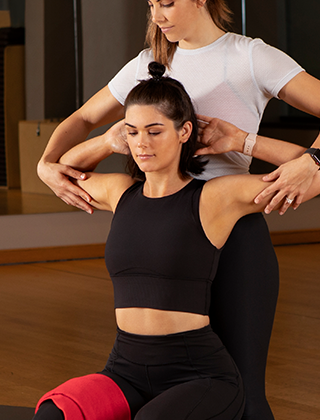
In your studies to become a personal trainer, you will learn all the fitness fundamentals, as well as nutritional guidance, anatomy, physiology and exercise prescription. You will learn training principles and considerations for a range of groups and special populations, such as adolescents, older adults, amateur athletes and people with body composition and endurance-based goals.
Certain courses, such as AIF’s Personal Trainer course, also have a strong business focus, with units addressing how to prepare for and set up your own fitness business, and the basic sales and marketing skills necessary to acquire clients.
If you want to gain additional skills - and therefore a competitive edge - AIF’s Master Trainer Program™ assesses students on six additional criteria which, when achieved, will elevate you from being a standard trainer to an AIF Certified Master Trainer Level 1. This course primes students to become the best PT possible and is highly recognised and sought after by fitness industry employers.
In order to study for your Certificate IV in Fitness you will first need to have completed either your Certificate III in Fitness (see above section ‘What qualifications do you need to be a personal trainer?) OR Fitness Essentials Prerequisites. The AIF’s Master Trainer Program™ conveniently includes both the Fitness Essentials Prerequisites AND Certificate IV in Fitness qualification. You will also need to have up-to-date Provide First Aid and Provide CPR certificates.
How long does it take to become a certified personal trainer?
Is it hard to become a personal trainer?
Once you’re qualified as a fitness professional, it is important to get registered with an industry body such as Fitness Australia or Physical Activity Australia. This registration, which requires proof of your ongoing professional development, can reassure clients of your professionalism, help you stay up-to-date with industry best practice and guidelines, and, importantly, provide employers with confidence in your credentials and abilities as a personal trainer.
You will also need to be insured. In order to work in any Australian fitness facility, you should have public liability and professional indemnity insurance to protect you against potential legal action from clients and members. There are insurance policies available that have been designed specifically to cover the activities performed by today’s fitness professionals. You can find out more about that here.
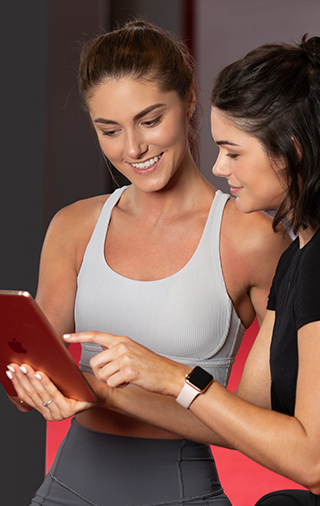
Once you’re fully qualified, registered and insured, you can search for jobs in the industry. Alternatively, you can start your own business - though many trainers find it useful to gain real-world experience at an existing facility before striking out on their own. Whether you are employed by a club, work as a contractor, or run your own fitness operation, as a working PT you will now have certain responsibilities to your clients. These include:
By adhering to these responsibilities, you will not only reduce the risk of clients getting injured (and of legal liability), you will also increase the results they achieve and establish a reputation as a highly professional trainer.
How to market yourself as a PT
How much money do personal trainers make?

Personal training is a rewarding career that enables you to positively impact people every day

Work as a personal trainer can be very varied, and you can specialise in an area that most interests you

To work as a PT in Australia you must obtain either your Fitness Essentials Prerequisites OR your Certificate III in Fitness, AND your Certificate IV in Fitness qualification.

Depending on your study mode, you can become qualified in as little as 5 months

Once qualified as a personal trainer, it is important to become registered and insured in order to work

As a personal trainer, you can be employed by gyms, work as a contractor or set up your own business

Depending on a range of factors, personal trainers can earn from approx $30-$70+ per hour
Once you have qualified as a personal trainer and have set up your registration and insurance, you’re ready to get out there and work with clients. To keep doing so, however, you will need to regularly undertake professional development. This generally takes the form of online courses, as well as face-to-face events and workshops that provide upskilling in specific fitness-related areas, from training pregnant clients or adding Pilates techniques to training sessions, to coaching skills and training specific populations. This requirement for personal trainers to continually progress their knowledge enables the fitness industry to uphold professional standards.
Now you’ve got an overview of what a career as a personal trainer looks like, you may be considering your next steps.
Where Certificate III in Fitness or Cert III is mentioned, it refers to SIS30315 Certificate III in Fitness.
Where Certificate IV in Fitness or Cert IV is mentioned, it refers to SIS40215 Certificate IV in Fitness.
Ready to find out more about getting qualified as a personal trainer with the industry’s largest and most recognised fitness educator? Check out the AIF’s courses here.
If you have any questions about getting started on your personal training journey, you may find them answered in these FAQs.
Speak with our friendly Careers Team on
1300 669 669 or enquire now online.