Walk into almost any group fitness class and you’ll notice something beyond the instructor’s cues and the participants’ energy: the music. It pulses through the speakers, setting the tempo, guiding the flow, and shaping the entire atmosphere. Whether it’s a pounding bassline during a cycle sprint, a motivating anthem in a bootcamp, or calming instrumental during yoga, the playlist is often the invisible instructor in the room.
The right music can take an ordinary workout and make it extraordinary. It can help participants push harder, stay focused, and feel connected—not only to the exercise but also to each other. For instructors, playlist development is both an art and a science: it requires careful consideration of tempo, genre, intensity, and mood to create a soundtrack that enhances movement and matches the class type.
Let’s explore the role of playlists across the spectrum of group fitness formats—cardio, strength, cycle, mind-body, functional, and dance—and why music may be just as important as the workout itself.
Cardio-Based Classes: Driving Energy Through Rhythm
Cardio workouts are often high-energy experiences that depend heavily on pace and rhythm. Classes like HIIT, kickboxing, and aerobics thrive on playlists that mirror the peaks and valleys of effort. Up-tempo tracks with strong, steady beats can help participants find their rhythm, while strategically placed “power songs” push them through moments of fatigue.
Example: In a HIIT class, an instructor might use a playlist that alternates between high-BPM tracks (140–160 BPM) for work intervals and slightly slower beats (120–130 BPM) during active recovery. Imagine driving into burpees with Calvin Harris blasting, then slowing slightly to catch your breath with a groovier beat before ramping up again.
The emotional tone of the music also matters. Aggressive, bass-heavy tracks might suit a cardio kickboxing class, while upbeat pop or electronic music can create a more playful aerobics environment. Instructors often report that when the right “anthem” drops during the hardest part of class, participants not only push harder but leave feeling more accomplished.
Strength Classes: Power and Progression
Strength-based classes—such as body pump, barbell workouts, or resistance circuit training—benefit from playlists designed to support muscular endurance and focus. Unlike cardio, where tempo often drives movement, strength playlists are more about energy management and motivation.
Songs with a slower but strong beat (100–130 BPM) help participants stay in control of their lifts. The goal isn’t necessarily to move on the beat, but rather to use the music as an undercurrent of energy. For example, rock anthems, hip hop tracks with heavy bass, or empowering pop songs can give participants the mental grit needed to complete that last set of squats or push-ups.
Example: An instructor programming a barbell class might start with an energetic opener to set the tone, then progress into tracks with different moods for different muscle groups—driving beats for leg tracks, uplifting melodies for shoulders, and more intense rhythms for chest and back.
Strength classes often rely on playlists to provide a sense of structure and progression, ensuring the class feels like a complete journey rather than a collection of exercises.
Cycle Classes: Music as the Road Map
Perhaps no group fitness format relies on playlists more heavily than indoor cycling. Here, the music doesn’t just accompany the workout—it is the workout. Instructors use BPM and song structure to dictate pedal speed, resistance changes, and climbs or sprints.
High-energy tracks around 120–130 BPM might mimic a steady climb, while faster tracks at 150–170 BPM are perfect for all-out sprints. The emotional build of the music mirrors the intensity curve of the class, often peaking with a dramatic “final push” anthem that leaves participants breathless yet exhilarated.
Example: Picture a cycle class building to Eminem’s “Lose Yourself” during the hardest climb of the ride. The beat drives the cadence, the lyrics inspire grit, and the collective energy in the room hits its peak.
Many cycle instructors curate playlists like a DJ would—mixing genres, layering beats, and creating transitions that flow seamlessly. The best playlists feel like a ride-along soundtrack, carrying participants from warm-up to cool-down in a way that feels cohesive and immersive.
Mind-Body Classes: Setting Tone and Tranquility
Yoga, Pilates, and barre classes rely on music not to hype, but to harmonize. Here, playlists set the emotional tone of the room, offering cues for focus, flow, and relaxation. The wrong track can pull participants out of the moment, while the right playlist can deepen concentration and enhance mind-body connection.
For yoga, instructors often choose instrumental, ambient, or acoustic tracks that support breath work and flow. The music acts as a guide rather than a distraction, helping participants sink deeper into poses or transitions. A gentle, uplifting track can make savasana more restorative, while a rhythmic but calming beat can guide a vinyasa sequence.
Example: A yoga flow might start with soft, melodic instrumentals during centering, shift to more rhythmic tracks during sun salutations, and end with soothing soundscapes or nature-inspired tracks during relaxation.
Barre and Pilates often strike a balance between energizing and grounding, using softer pop remixes or light electronic tracks to maintain focus without overwhelming the room.
In these classes, the playlist’s purpose is less about pushing intensity and more about creating an environment where participants feel calm, centered, and in tune with their movement.
Functional Fitness: Flow, Focus, and Fun
Functional training classes—such as bootcamps, circuit training, or CrossFit-style workouts—often require versatility in playlist design. Since the workouts blend strength, cardio, and agility, the music must reflect multiple energy levels throughout the session.
Instructors often use playlists with a mix of tempos and genres to match the workout phases: high-BPM tracks for dynamic exercises like box jumps, steady beats for controlled movements like kettlebell swings, and motivational anthems for group challenges or finishers.
Example: In a functional circuit, upbeat EDM or hip hop might energize explosive movements, while rock or alternative tracks maintain drive during longer endurance rounds. During team-based challenges, a familiar anthem (like Queen’s “We Will Rock You”) can create camaraderie and hype.
Playlist versatility is key here. The right mix of tracks keeps participants engaged and prevents monotony across a class that might involve a wide variety of movements.
Dance Fitness: Music as the Star
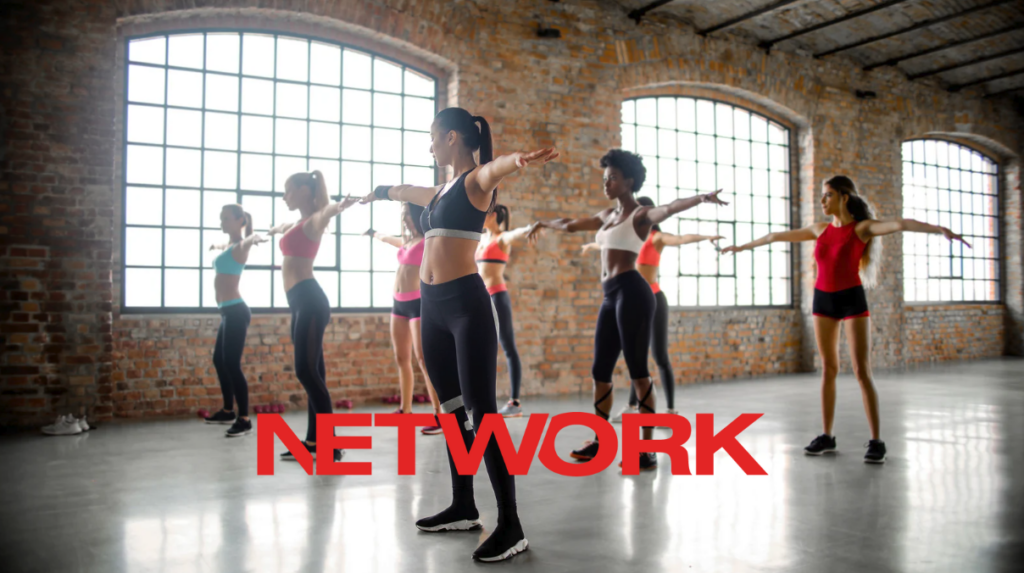
In dance-based classes like Zumba, hip hop, or cardio dance, the music isn’t just background—it’s the main event. Playlists dictate choreography, shape class culture, and drive participant enjoyment.
Dance fitness thrives on recognizable, infectious songs that make people want to move. Latin beats, hip hop bangers, pop chart-toppers, and international hits keep the energy high and the movements fun. The playlist must offer variety, yet still flow like a concert setlist: each song building into the next, creating a non-stop experience.
Example: A Zumba class might kick off with an upbeat salsa track, transition into reggaeton for intensity, then drop into a playful pop hit for a lighter routine. Each song not only guides the steps but also creates a mini emotional journey.
Here, the instructor is part fitness leader, part DJ, and part performer. The playlist doesn’t just energize the class—it’s what makes participants come back, excited to hear their favorite tracks again.
The Science Behind Playlists and Performance
Research supports what fitness professionals have known intuitively for years: music impacts both physical performance and psychological experience.[1],[2] Studies show that music can:
- Increase endurance by reducing perceived exertion.
- Improve mood and distract from fatigue.
- Enhance coordination through rhythm and tempo.
- Strengthen group cohesion when participants move together to a shared beat.
For group fitness, these effects multiply. A well-curated playlist creates not just individual motivation but collective energy. When a room full of people hits a sprint to the same song, the synergy is palpable.
Crafting the Perfect Playlist
For instructors, playlist creation is as critical as programming exercises. Here are key considerations:
- Match BPM to movement. Use faster beats for sprints, climbs, or cardio bursts; slower, steady beats for strength or grounding sequences.
- Consider the emotional arc. Like a story, the playlist should have a beginning, middle, and end: warm-up, peak intensity, recovery.
- Blend genres. Mixing EDM, pop, hip hop, and rock can keep participants engaged across diverse tastes.
- Know your audience. A morning yoga class might prefer calm acoustic, while an evening cycle crowd might want heart-pounding EDM.
- Use “power songs.” Identify tracks that spark extra energy for your participants and place them strategically in the workout.
Sample 30-Minute Playlists for Group Fitness
1. Cardio-Based Class (HIIT / Aerobics)
Goal: Drive intensity, alternate bursts with recovery.
- Warm-Up (5 min):
- “Can’t Stop the Feeling” – Justin Timberlake (113 BPM)
- “Can’t Stop the Feeling” – Justin Timberlake (113 BPM)
- Main Work (20 min):
- “Titanium” – David Guetta ft. Sia (126 BPM) – Interval push
- “Stronger” – Kanye West (104 BPM) – Recovery groove
- “Wake Me Up” – Avicii (124 BPM) – Cardio round
- “Don’t Start Now” – Dua Lipa (124 BPM) – Tempo work
- “Uptown Funk” – Mark Ronson ft. Bruno Mars (115 BPM) – Power anthem
- “Titanium” – David Guetta ft. Sia (126 BPM) – Interval push
- Cool-Down (5 min):
- “Someone You Loved” – Lewis Capaldi (110 BPM)
2. Strength Training Class (Barbell / Circuits)
Goal: Focus, grit, progression.
- Warm-Up (5 min):
- “Can’t Hold Us” – Macklemore & Ryan Lewis (146 BPM, but mid-tempo energy)
- “Can’t Hold Us” – Macklemore & Ryan Lewis (146 BPM, but mid-tempo energy)
- Main Work (20 min):
- “Enter Sandman” – Metallica (123 BPM) – Lower body
- “Stronger (What Doesn’t Kill You)” – Kelly Clarkson (116 BPM) – Upper body
- “Lose Yourself” – Eminem (171 BPM, use slower cadence) – Core
- “Eye of the Tiger” – Survivor (109 BPM) – Finisher anthem
- “Enter Sandman” – Metallica (123 BPM) – Lower body
- Cool-Down (5 min):
- “Photograph” – Ed Sheeran (108 BPM)
- “Photograph” – Ed Sheeran (108 BPM)
3. Cycle Class (Rhythm Ride)
Goal: Use BPM as cadence; peaks and valleys.
- Warm-Up (5 min):
- “Adventure of a Lifetime” – Coldplay (112 BPM)
- “Adventure of a Lifetime” – Coldplay (112 BPM)
- Main Work (20 min):
- “Don’t You Worry Child” – Swedish House Mafia (129 BPM) – Climb
- “Sandstorm” – Darude (136 BPM) – Sprint
- “Levels” – Avicii (126 BPM) – Recovery ride
- “Till I Collapse” – Eminem (171 BPM) – Power push
- “Turn Down for What” – DJ Snake & Lil Jon (100 BPM but huge drop energy) – Final sprint
- “Don’t You Worry Child” – Swedish House Mafia (129 BPM) – Climb
- Cool-Down (5 min):
- “Fix You” – Coldplay (138 BPM, used slow/stretching style)
4. Mind-Body Class (Yoga / Pilates / Barre)
Goal: Flow, grounding, calm.
- Warm-Up (5 min):
- “Holocene” – Bon Iver (73 BPM)
- “Holocene” – Bon Iver (73 BPM)
- Main Work (20 min):
- “Sunset Lover” – Petit Biscuit (84 BPM) – Flow
- “Midnight” – Coldplay (100 BPM) – Strength sequence
- “Weightless” – Marconi Union (~60 BPM) – Balance/stretch
- “Outro” – M83 (78 BPM) – Deep flow track
- “Sunset Lover” – Petit Biscuit (84 BPM) – Flow
- Cool-Down (5 min):
- “River Flows in You” – Yiruma (65 BPM)
5. Functional Fitness Class (Bootcamp / Circuits)
Goal: High variety, explosive work, team vibe.
- Warm-Up (5 min):
- “Good as Hell” – Lizzo (96 BPM, uplifting vibe)
- “Good as Hell” – Lizzo (96 BPM, uplifting vibe)
- Main Work (20 min):
- “Remember the Name” – Fort Minor (85 BPM but hard drive) – Strength
- “Power” – Kanye West (153 BPM) – Explosive moves
- “Believer” – Imagine Dragons (125 BPM) – Tempo work
- “Stronger” – Britney Spears (108 BPM) – Team challenge
- “Thunderstruck” – AC/DC (134 BPM) – Finisher
- “Remember the Name” – Fort Minor (85 BPM but hard drive) – Strength
- Cool-Down (5 min):
- “Stay” – Rihanna ft. Mikky Ekko (112 BPM, gentle)
6. Dance Fitness Class (Zumba / Cardio Dance)
Goal: Make music the star, global rhythms + fun hits.
- Warm-Up (5 min):
- “Bailando” – Enrique Iglesias ft. Gente de Zona (140 BPM)
- “Bailando” – Enrique Iglesias ft. Gente de Zona (140 BPM)
- Main Work (20 min):
- “Dákiti” – Bad Bunny & Jhay Cortez (107 BPM) – Reggaeton
- “Despacito (Remix)” – Luis Fonsi ft. Daddy Yankee & Justin Bieber (89 BPM)
- “On The Floor” – Jennifer Lopez ft. Pitbull (130 BPM) – Pop/Latin fusion
- “Temperature” – Sean Paul (125 BPM) – Dancehall
- “Uptown Funk” – Mark Ronson ft. Bruno Mars (115 BPM) – Party anthem
- “Dákiti” – Bad Bunny & Jhay Cortez (107 BPM) – Reggaeton
- Cool-Down (5 min):
- “Perfect” – Ed Sheeran (63 BPM)
A Note on Music Licensing for Fitness Businesses in Australia
Playlists are a powerful way to energize classes, but fitness business owners in Australia must remember that using music in a public or commercial setting requires the correct licence. Standard streaming services like Spotify, Apple Music, or YouTube are only licensed for personal use and are not legally permitted for fitness classes, gyms, or studios.
In Australia, music licensing is managed by OneMusic Australia (a joint initiative between APRA AMCOS and PPCA). Gyms, studios, and fitness businesses need to hold the appropriate OneMusic fitness licence to legally play music during group classes.
To stay compliant:
- Check your OneMusic licence type. OneMusic offers specific tariffs for fitness classes, background music in gyms, and virtual/online workouts.
- Use fitness-specific music services. Platforms like Power Music Now, Yes! Fitness Music, or FitRadio supply pre-licensed mixes for group exercise, reducing admin and legal risks.
- Keep staff informed. Ensure all instructors know which platforms and playlists are legally approved for class use.
Bottom line: In Australia, every class playlist must be backed by the right OneMusic licence. Making this investment not only protects your business legally but also ensures instructors and participants enjoy high-quality, legal music that drives the class experience.
Conclusion
In group fitness, movement and music are inseparable. The playlist sets the pace, shapes the mood, and elevates the experience. Whether it’s the steady beat of a strength track, the soaring energy of a cycle sprint, the calming notes of yoga flow, or the infectious rhythms of a dance class, music is the hidden coach in the room.
For participants, the right playlist can transform effort into enjoyment, struggle into triumph, and exercise into an experience they want to repeat. For instructors, mastering playlist development is as essential as perfecting cueing or choreography.
In the end, music doesn’t just accompany movement—it amplifies it. And in the shared space of group fitness, that amplification builds community, motivation, and joy.
Please Note: The information provided in this article are the opinions and professional experience of the author and not all activities are recommended for the beginner or participants with underlying health conditions. This author has no affiliation with any of the products mentioned. Before following any advice or starting any fitness, health and wellbeing journey please consult with an Allied Health Professional and / or General Practitioner.